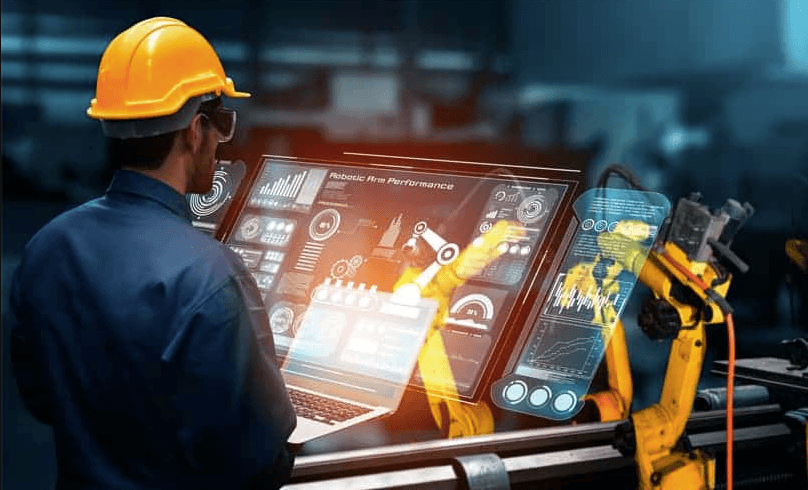
Manufacturing analytics tools transform raw production data into actionable insights by aggregating, cleansing, and modeling information from machines, sensors, ERP, and quality records. They enforce data governance and lineage to ensure integrity and traceability. The approach supports collaborative, scalable workflows with robust APIs for MES, ERP, and PLM integration. Deployment models balance cloud, on-premises, and hybrid setups, guiding modular, value-driven programs. The next question is how to align governance with measurable improvements across the value chain.
What Manufacturing Analytics Tools Do For You
Manufacturing analytics tools transform raw production data into actionable insights by aggregating, cleansing, and modeling information from multiple sources such as machines, sensors, ERP systems, and quality records.
They enable data governance and data lineage to ensure integrity, traceability, and accountability.
The approach is data-driven, collaborative, and scalable, empowering teams seeking freedom to optimize processes, monitor performance, and drive continuous improvement confidently.
Core Capabilities: From Data Ingestion to Real-Time Insights
Data governance and data lineage anchor decisions, ensuring traceability and compliance while enabling collaborative, scalable workflows across teams prioritizing freedom, transparency, and data-driven outcomes without silos or ambiguity.
Deployment Models and Integration Paths
Deployment models and integration paths shape how analytics capabilities are provisioned, connected, and scaled across manufacturing ecosystems. Organizations evaluate cloud, on-premises, and hybrid approaches, balancing latency, governance, and cost. Interoperability across devices, MES, ERP, and PLM relies on standardized interfaces and robust APIs. Deployment models enable modularity, while integration paths ensure sustainable data sharing, collaboration, and scalable analytics across value chains.
Selecting, Implementing, and Measuring Value on the Line
The emphasis is on actionable governance: inventory governance and data stewardship enable transparent decision rights, consistent data quality, and scalable collaboration.
Cross-functional teams optimize workflows, metrics, and gains, ensuring freedom through measurable, repeatable value across manufacturing operations.
Frequently Asked Questions
How Do Analytics Tools Handle Data Quality Issues in Manufacturing?
Analytics tools address data quality by enforcing validation, cleansing, and monitoring, while leveraging data lineage to trace sources, transformations, and dependencies; this collaborative, scalable approach ensures trust and freedom for stakeholders navigating complex manufacturing analytics ecosystems.
What Is the Typical ROI Timeline for Analytics Deployments?
Sunlight reveals investment payback along a predictable curve; ROI timelines typically span quarters to a few years, influenced by data quality, governance, and security. KPIs and operator metrics align with shop floor targets, shaping governance strategies and performance indicators. ROI timelines, ROI benchmarks
How Do Tools Scale With Increasing Data Velocity and Volume?
Tools scale with increasing data velocity and volume by modular architectures and adaptive resources, enabling continuous ingestion and processing. Speed scaling and data throughput improve as workloads grow, while data velocity informs real-time decision loops in collaborative, scalable environments.
What Security and Governance Considerations Are Essential?
Security Governance and Access Control emerge as essential safeguards, ensuring auditable policies, least-privilege workflows, and centralized credential management. Data-driven, collaborative, scalable practices enable freedom while maintaining compliance, risk visibility, and resilient governance across evolving analytics ecosystems.
See also: Managing Teams With Technology
Which KPIS Matter Most to Shop-Floor Operators?
Operational KPIs for shop-floor operators favor throughput, cycle time, OEE, and downtime. Production optimism guides proactive decisions; maintenance scheduling reduces unscheduled stops, enabling scalable, data-driven collaboration and freedom to optimize performance across teams.
Conclusion
Manufacturing analytics tools empower teams to turn data into actionable, continuously improving insights, with governance and lineage that bolster trust. They enable scalable collaboration across MES, ERP, and PLM, from ingestion to real-time dashboards and predictive alerts. While concerns about data integration loom, a modular, API-driven approach demonstrates tangible value early—reducing scrap, downtime, and cycle times. By balancing cloud, on‑prem, and hybrid deployments, manufacturers achieve measurable, repeatable gains and sustainable, data-driven excellence.